
Haldi Kumkum: Celebrating the Tradition of Auspiciousness, Friendship and Togetherness
Discover the cultural significance of Haldi Kumkum, from Makar Sankranti gatherings in Maharashtra to the cherished traditions of exchanging blessings, sweets and thoughtful gifts.

Across India, festivals are not only moments of prayer and celebration; they are also occasions that bring people closer. Among the traditions that beautifully reflect this spirit is Haldi Kumkum, a gathering rooted in auspiciousness, hospitality, friendship and the bonds shared between women.
Especially associated with Makar Sankranti in Maharashtra and Goa, Haldi Kumkum is a tradition in which women invite friends, relatives and neighbours to meet, exchange turmeric and kumkum, share festive sweets and offer small gifts. The gathering may be simple or elaborate, but its warmth lies in the act of welcoming one another and sharing good wishes.
Although its customs and timing vary among families and regions, the spirit of Haldi Kumkum continues to find a place in contemporary Indian life. It is a reminder that cultural traditions remain meaningful not only through rituals, but also through the relationships and memories they nurture.
The Meaning of Haldi and Kumkum
The name Haldi Kumkum comes from two familiar elements of Indian tradition: haldi, or turmeric, and kumkum, the red vermilion powder.
Turmeric has long held an important place in Indian household rituals, ceremonies and festive preparations. Its golden-yellow colour is commonly associated with purity, auspiciousness and prosperity. Kumkum, with its deep red hue, is associated with devotion, celebration and auspicious beginnings.
Together, haldi and kumkum represent blessings and goodwill. During a traditional gathering, women may apply or exchange these two auspicious substances as a gesture of respect and affection. The exchange is accompanied by greetings, conversations and wishes for happiness and well-being.
The ritual is more than the exchange of two powders. It reflects the value placed on welcoming others, maintaining relationships and sharing auspicious moments.
History and Cultural Significance of Haldi Kumkum
Haldi Kumkum is particularly prominent in the cultural life of Maharashtra, where it is closely associated with Makar Sankranti. Over generations, the gathering has become an important social expression of the festival.

Traditionally, married women invited other women to their homes, offered haldi and kumkum, and exchanged sweets and small gifts. These gatherings were associated with wishes for marital well-being, prosperity and good fortune. They also provided an opportunity for women from families and neighbourhoods to meet and strengthen social bonds.
Historical accounts of the custom reflect the social conventions of their times, including its traditional association with married women. Today, many families continue the custom while adapting it to contemporary values, welcoming friends and relatives in a more inclusive spirit.
The enduring significance of Haldi Kumkum lies in its warmth and sense of community. It creates a space for women to come together, share experiences, celebrate traditions and extend good wishes to one another.
Haldi Kumkum During Makar Sankranti
Makar Sankranti, which marks the Sun's transition into the zodiac sign of Makara (Capricorn), is celebrated across India with regional customs connected to the seasonal cycle, harvest and the changing movement of the Sun.
In Maharashtra, Haldi Kumkum is especially associated with the Makar Sankranti period. Women invite friends, relatives and neighbours to their homes, often wearing festive sarees and traditional jewellery. Guests are welcomed with haldi and kumkum, followed by sweets, refreshments and small gifts.
One of the best-known expressions of the festival is the exchange of tilgul, sweets made with sesame seeds and jaggery. The traditional Marathi greeting is:
“Tilgul ghya, god god bola.”
It means, “Accept this tilgul and speak sweetly.”
The greeting carries a gentle message: let relationships be filled with kindness, let differences soften, and let the year ahead be marked by goodwill.
Sesame and jaggery sweets, tilgul laddoos and gul poli are among the festive foods associated with Maharashtra's Sankranti celebrations. The Haldi Kumkum gathering brings these culinary traditions together with hospitality, gifts and the exchange of blessings.
Haldi Kumkum and Related Traditions Across India
The timing and form of Haldi Kumkum can vary. While its strongest association is with Makar Sankranti in Maharashtra, related gatherings and customs are observed in other parts of western India and beyond.
Maharashtra: Makar Sankranti and the Exchange of Vaan
In Maharashtra, Haldi Kumkum gatherings are commonly organised during the Makar Sankranti period. Women visit one another's homes, exchange haldi and kumkum, share tilgul and offer small gifts known as vaan.
The gathering may also include traditional sweets, festive decorations and conversations among friends and family. In some households, the first Makar Sankranti after a wedding or the arrival of a newborn is marked with special customs.
Goa: Maghi Sankranti and Haldi Kumkum
In Goa, the tradition is also associated with Makar Sankranti, locally known as Maghi Sankrant. Women gather at one another's homes, exchange haldi and kumkum, share tilgul and distribute small gifts.
Some Goan households have distinctive gift-giving customs, including the presentation of small clay pots or other traditional household items. These practices reflect the region's local customs and the importance of hospitality during the festive season.
Other Regional Expressions of Auspicious Gifting
Across India, women participate in many gatherings that share the spirit of Haldi Kumkum, even when they have different names and rituals.
In Karnataka, the exchange of Arishina-Kumkuma—turmeric and kumkum—is part of several auspicious occasions. In Tamil Nadu, the tradition of Thamboolam, involving the exchange of betel leaves, areca nut, fruits and other offerings, is an important feature of occasions such as Navaratri Golu and other family celebrations.
These customs should not be understood as identical ceremonies. Each has its own regional meaning and practices, but they share a broader cultural language of hospitality, auspiciousness and thoughtful exchange.
How a Traditional Haldi Kumkum Ceremony Is Celebrated
A Haldi Kumkum gathering can be arranged at home, in a community space or as part of a larger festive celebration. The details differ from family to family, but the central ritual remains the warm welcome extended to guests.
A traditional gathering may include the following elements:
Welcoming guests: Women are greeted with warmth and invited to take part in the gathering.
Offering haldi and kumkum: Turmeric and kumkum are presented as symbols of auspiciousness and goodwill.
Sharing festive sweets: Tilgul, sesame laddoos, jaggery-based sweets and other refreshments may be served, especially during Makar Sankranti.
Exchanging good wishes: Guests offer blessings and greetings for happiness, prosperity and well-being.
Offering vaan: Small gifts or keepsakes are presented as a gesture of affection and hospitality.
The ritual does not need elaborate arrangements to be meaningful. A welcoming home, a thoughtfully prepared thali and the company of friends and family are often enough to create a memorable occasion.
Vaan: The Tradition of Sharing Gifts and Good Wishes
One of the cherished aspects of Haldi Kumkum is the tradition of vaan, the small gift offered to guests.

The gifts traditionally vary according to regional and family customs. They may include household articles, small utensils, bangles, bindis, combs, handkerchiefs, coconuts, sweets or other useful keepsakes. In some communities, the gifts are selected according to particular customs followed during the early years of marriage.
The value of vaan is not measured by its price. It is the thought behind the gift and the
warmth with which it is offered that make the gesture meaningful.
This tradition also reflects a wider Indian custom of expressing affection through small offerings. A carefully chosen keepsake can carry a personal message, preserve a memory of the gathering and remind the recipient of the bond shared.
In contemporary celebrations, families often adapt the tradition by choosing gifts that are useful, beautiful or personally meaningful.
Festive Attire and Jewellery: Expressions of Tradition

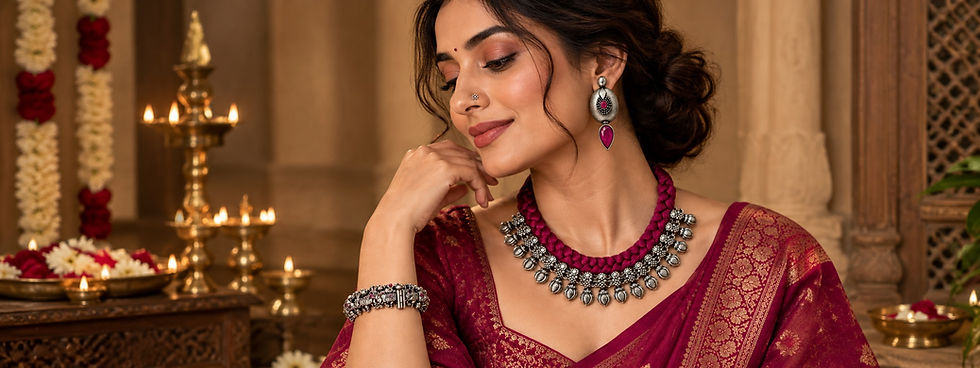
Haldi Kumkum gatherings are also occasions for festive dressing. Women often choose traditional sarees, festive blouses and elegant accessories, bringing colour and grace to the celebration.
In Maharashtra, the Makar Sankranti season is particularly associated with black sarees, often enhanced with gold borders or traditional jewellery. The choice of attire, however, varies by family and personal preference.
Jewellery forms an important part of festive expression. Traditional necklaces, earrings, bangles and statement pieces complement ethnic clothing and add a personal touch to the occasion.
For many women, choosing jewellery for a gathering is not simply about completing an outfit. It is also a way of celebrating personal style while staying connected to the beauty of traditional dressing.
Whether one prefers understated pieces or bold, heritage-inspired designs, festive jewellery can make these shared moments feel even more special.
Keeping the Tradition Alive in Modern Times
Traditions remain alive when each generation finds a way to make them meaningful in its own time.
Today, Haldi Kumkum gatherings may be organised in homes, residential communities, cultural associations and social groups. Some families continue to follow customary rituals closely, while others introduce music, games, festive activities and contemporary gift ideas.
The gathering has also evolved in its social expression. While its traditional form was often centred on married women, many contemporary celebrations welcome a wider circle of friends, relatives and community members.
What remains constant is the spirit of togetherness: making time for one another, sharing food and conversation, and offering good wishes.
In a busy modern lifestyle, such gatherings provide an opportunity to pause, reconnect and celebrate relationships beyond everyday routines.
The Art of Giving: From Traditional Vaan to Thoughtful Keepsakes
The tradition of vaan offers a beautiful reminder that a gift need not be extravagant to be memorable. A small token, selected with care and presented thoughtfully, can express affection and appreciation.

Today, traditional gifting can take many forms. A festive accessory, a keepsake or a beautifully presented gift can bring a contemporary touch to this age-old gesture.
Designer potli bags, for instance, offer an elegant way to present small gifts, sweets or festive tokens. With their Indian-inspired craftsmanship, decorative details and compact form, they can also serve as keepsakes that guests may use on other festive occasions.
The idea is not to replace traditional vaan, but to carry its thoughtful spirit forward through new expressions of gifting.
Celebrating Togetherness with Athizay
Indian festive traditions are enriched by the details that bring people together: the warmth of a welcome, the beauty of traditional attire, the sharing of sweets and the joy of giving.
At Athizay, we celebrate these expressions of Indian heritage through thoughtfully curated jewellery, designer potli bags and accessories inspired by traditional aesthetics.
Whether you are dressing for a festive gathering or looking for a distinctive way to present a small gift, explore pieces that bring together cultural inspiration and contemporary style.
Explore Athizay's collections:
Let every gathering become an opportunity to celebrate friendship, tradition and the joy of sharing.
Frequently Asked Questions About Haldi Kumkum
1. What is the Haldi Kumkum ceremony?
Haldi Kumkum is a traditional social gathering, particularly associated with Maharashtra and Goa, in which women meet, exchange turmeric and kumkum, share festive sweets and offer small gifts. It is a celebration of auspiciousness, hospitality and togetherness.
2. Why is Haldi Kumkum celebrated during Makar Sankranti?
In Maharashtra and Goa, Haldi Kumkum is closely associated with the Makar Sankranti period. The gathering provides an occasion for women to meet, exchange good wishes, share tilgul and offer small gifts during the festive season.
3. What is the meaning of haldi and kumkum?
Haldi means turmeric, while kumkum refers to red vermilion powder. In Indian traditions, turmeric is associated with purity and auspiciousness, while kumkum is associated with devotion and auspicious beginnings. Their exchange expresses goodwill and blessings.
4. Who traditionally celebrates Haldi Kumkum?
Traditionally, Haldi Kumkum gatherings in Maharashtra and Goa were often organised by married women for other women. Today, many families adapt the custom and welcome a wider circle of friends, relatives and community members.
5. What is vaan in a Haldi Kumkum ceremony?
Vaan is a small gift offered to guests during a Haldi Kumkum gathering. Depending on family and regional customs, it may include household articles, bangles, bindis, sweets, coconuts or other useful keepsakes.
6. What is the significance of tilgul during Haldi Kumkum?
Tilgul refers to sweets made with sesame seeds and jaggery, commonly exchanged during Makar Sankranti in Maharashtra. The greeting “Tilgul ghya, god god bola” encourages people to speak kindly and maintain warm relationships.
7. What should be included in a Haldi Kumkum thali?
A traditional thali may include small containers of haldi and kumkum, flowers, betel leaves, areca nut, sweets and other offerings according to family custom. A decorative plate or tray can be used to arrange the items.
8. Is Haldi Kumkum celebrated only in Maharashtra?
Maharashtra is most strongly associated with the tradition, and it is also observed in Goa. Other regions have related customs involving turmeric, kumkum and auspicious gift exchanges, although these may have different names and practices.
9. Is Haldi Kumkum the same as Arishina-Kumkuma?
They share the exchange of turmeric and kumkum, but regional practices and occasions can differ. Arishina-Kumkuma is a related tradition in Karnataka and other South Indian settings; it should not automatically be treated as the same ceremony as Maharashtra's Haldi Kumkum gathering.
10. What do women traditionally wear for Haldi Kumkum?
Women often wear sarees or other festive ethnic attire, complemented by traditional jewellery. In Maharashtra, black sarees with decorative borders are particularly associated with Makar Sankranti celebrations, though clothing choices vary.
11. Can designer potli bags be given as Haldi Kumkum gifts?
Yes. While traditional vaan varies by region and family, contemporary hosts may choose useful or decorative keepsakes. A designer potli bag can be a thoughtful way to present small gifts or festive tokens.
12. Is Haldi Kumkum celebrated only during Makar Sankranti?
Makar Sankranti is its best-known association, especially in Maharashtra and Goa. However, women may organise Haldi Kumkum gatherings on other auspicious occasions or during different festive periods, depending on family and regional customs.
The spirit of Haldi Kumkum is found in the simple joy of welcoming one another, sharing good wishes and keeping relationships close. Through these gatherings, a cherished cultural tradition continues to bring warmth and togetherness into everyday life.


Comments